


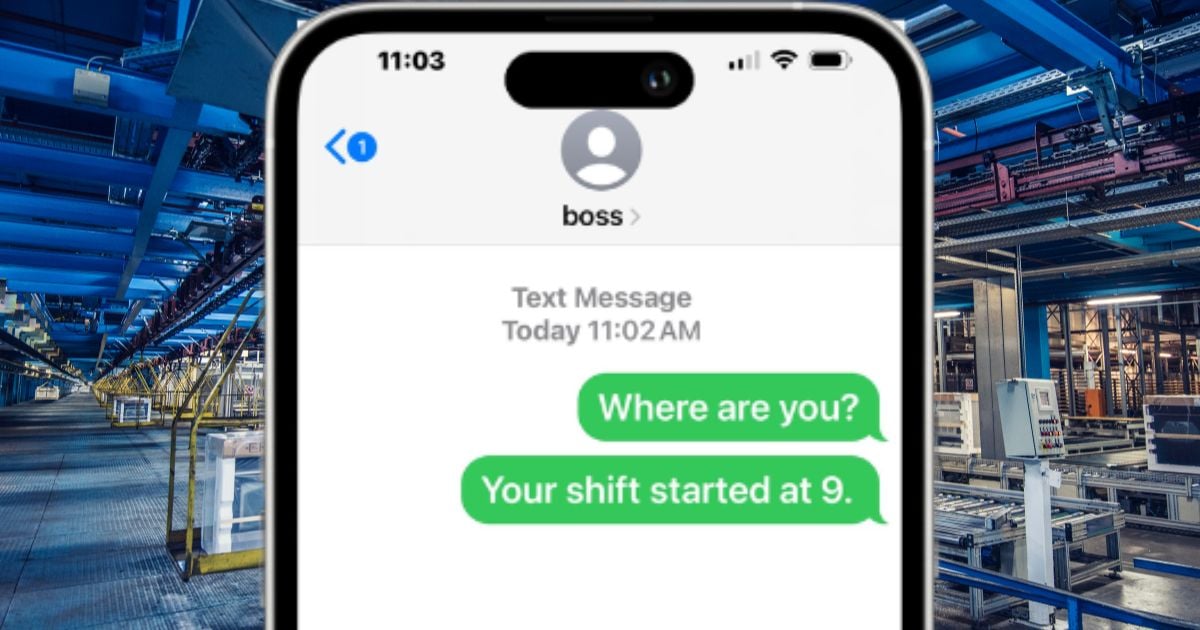
In today’s work environment, the “no-call, no-show quitting” phenomenon has become a significant concern for both employees and employers. No-call, no-show quitting is when an employee abruptly stops showing up to work without any prior notice or communication. No-call, no-show quitting is detrimental to employees and employers, disrupting the flow of business operations and having lasting impacts on the employee’s career and the company’s workplace culture.
 Understanding No-Call, No-Show Quitting
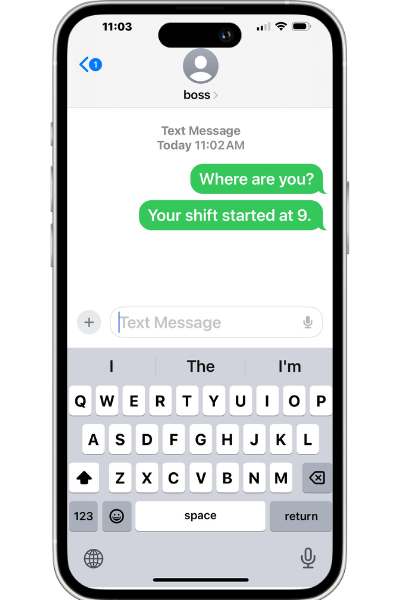
No-call, no-show quitting is more than just an employee not turning up for a shift. It is an abrupt and often unexpected departure from the workplace, where the employee neither informs their employer nor provides any reason for their absence. This behavior leads to operational disruptions and places additional stress on fellow employees.
The reasons for this type of quitting can vary. Some employees may feel overwhelmed by their job duties, experience burnout, or face personal issues that make it difficult to continue. In other cases, the cause may be a lack of engagement or dissatisfaction with the work environment. Regardless of the reason, a sudden and unplanned vacancy can have serious repercussions for both the employee and the employer.
The Impact on Employers
For employers, a no-call, no-show quit can have immediate and long-term effects on business operations. One of the most immediate concerns is the disruption to workflow. Depending on the nature of the business, the absence of even a single employee can lead to delays, missed deadlines, and a decline in productivity. This is particularly true in industries that rely heavily on shift work, such as manufacturing, warehousing, and service.
Moreover, the sudden departure of an employee can also lead to financial losses. Recruiting, hiring, and training a replacement can be costly and time-consuming. According to the Society for Human Resource Management (SHRM), the average cost-per-hire is $4,129, and it can take up to 42 days to fill a position. This does not account for the potential loss of business or customer dissatisfaction during the transition period.
Beyond the immediate operational and financial impacts, no-call, no-show quitting can also affect workplace morale. When an employee quits without notice, it can create uncertainty and anxiety among remaining team members. They may question their job security or feel burdened by the increased workload. Over time, this can lead to declines in employee engagement and a toxic work environment.
The Consequences for Employees
While the negative effects of no-call, no-show quitting on employers are clear, employees also face significant consequences. One of the most immediate impacts is the potential damage to their reputation. Word travels, and people move up and across jobs and employers more frequently than ever, making it more likely that other employers could hear about an employee who quit suddenly without notice.
Additionally, many companies maintain internal records of employee behavior, and a no-call, no-show may be noted in an individual’s employment file. This information could be shared with future employers during reference checks, further hindering the employee’s job prospects. Moreover, leaving a job without notice can also result in the loss of benefits, such as unpaid wages, unused vacation time, and even unemployment benefits, depending on the circumstances.
On a personal level, no-call, no-show quitting can also take a toll on an individual’s mental health. While the decision to quit without notice may provide temporary relief from a stressful situation, it often leads to feelings of guilt, anxiety, and regret. Over time, these emotions can compound, making it difficult for the individual to move forward and rebuild their career.
Mitigating No-Call, No-Show Quitting: Strategies for Employers
Given the significant impacts of no-call, no-show quitting, it is essential for employers to take proactive steps to mitigate its occurrence. Here are some strategies that can help:
-
Foster a Positive Work Environment:
Creating a supportive and engaging workplace culture is one of the most effective ways to reduce employee turnover. Employees who feel valued and supported are more likely to communicate openly with their employer and seek solutions to any challenges they may face. Regularly soliciting feedback, recognizing employee achievements, and providing opportunities for growth and development can all contribute to a positive work environment.
-
Improve Communication Channels:
Clear and open communication is key to preventing no-call, no-show quitting. Employers should encourage employees to speak up if they are experiencing difficulties or considering leaving the company. Regular check-ins, one-on-one meetings, and anonymous surveys offer options for employees to express their concerns and seek support.
-
Provide Adequate Training and Support:
One of the common reasons for no-call, no-show quitting is a lack of proper training or feeling overwhelmed by job duties. This includes providing mentorship programs, offering additional training, and promoting a culture of continuous learning.
-
Implement Clear Attendance and Exit Policies:
Establishing clear policies around attendance can help set employee expectations. This includes outlining the consequences of no-call, no-show behavior and providing a clear procedure for giving notice if an employee decides to leave. Having these policies in place can deter employees from quitting without notice and provide a framework for handling such situations if they do occur.
-
Offer Mental Health Support:
Stress and burnout are common factors that lead to no-call, no-show quitting. Employers can mitigate this by offering mental health resources, such as employee assistance programs (EAPs), access to counseling services, and promoting work-life balance. Encouraging employees to take time off when needed and providing flexible work arrangements can also help reduce stress and prevent burnout.
-
Conduct Exit Interviews:
When an employee decides to leave, conducting an exit interview can provide valuable insights into the reasons behind their departure. This information can be used to identify any underlying issues within the workplace and implement changes to prevent future no-call, no-show incidents. Exit interviews can also leave the door open for the employee to return in the future, should circumstances change.
How Employees Can Avoid No-Call, No-Show Quitting
While employers play a significant role in preventing no-call, no-show quitting, employees are also responsible for handling their departure professionally. Here are some tips for employees to consider:
-
Communicate Your Intentions:
If you are considering leaving your job, it is important to communicate your intentions to your employer as soon as possible. This can be done through a formal resignation letter or a private conversation with your manager. Providing notice gives your employer time to find a replacement and ensures a smoother transition for everyone involved.
-
Seek Support:
If you feel overwhelmed or unhappy in your job, seek support before quitting without notice. This could involve talking to a trusted colleague, reaching out to HR, or seeking professional counseling. Addressing the root cause of your dissatisfaction may help you find a solution that doesn’t involve quitting abruptly.
-
Consider the Long-Term Impact:
Before quitting without notice, take the time to consider the long-term impact on your career. No-call, no-show quitting can damage your reputation and make it difficult to find future employment. Weigh the pros and cons and consider whether there are alternative solutions that would allow you to leave on good terms.
-
Give Notice:
If you decide to leave, give your employer the standard two weeks’ notice. This professional courtesy allows your employer time to make arrangements and ensures you leave on good terms. Providing notice also maintains a positive relationship with your employer, which can be valuable for future references.
No-call, no-show quitting is a serious issue that can have lasting consequences for both employees and employers. By understanding the reasons behind this behavior and implementing strategies to prevent it, employers can create a more supportive and engaging work environment that reduces turnover and promotes long-term success. Similarly, employees who communicate openly, seek support, and handle their departure professionally can avoid the negative repercussions from no-call, no-show quitting and set themselves up for future success.
Here are some additional resources on making the most of your job and engaging employees:
Society for Human Resource Management (SHRM)
Harvard Business Review: How Burnout Became Normal — and How to Push Back Against It
Gallup: Employee Engagement
With a culture of communication, support, and professionalism, employees and employers can navigate the challenges of the modern workplace and achieve their mutual goals.